The healthcare industry is rapidly evolving, and remote work opportunities are creating new career paths for professionals across the globe. Among the fastest-growing remote healthcare careers is medical billing — a profession that plays a crucial role in managing healthcare revenue cycles, insurance claims, and patient billing processes.
With hospitals, clinics, and healthcare providers increasingly adopting digital systems, work-from-home medical billing jobs have become more accessible and in demand than ever before. These roles offer flexibility, stability, and long-term career growth while allowing professionals to contribute to the healthcare industry from the comfort of their homes.
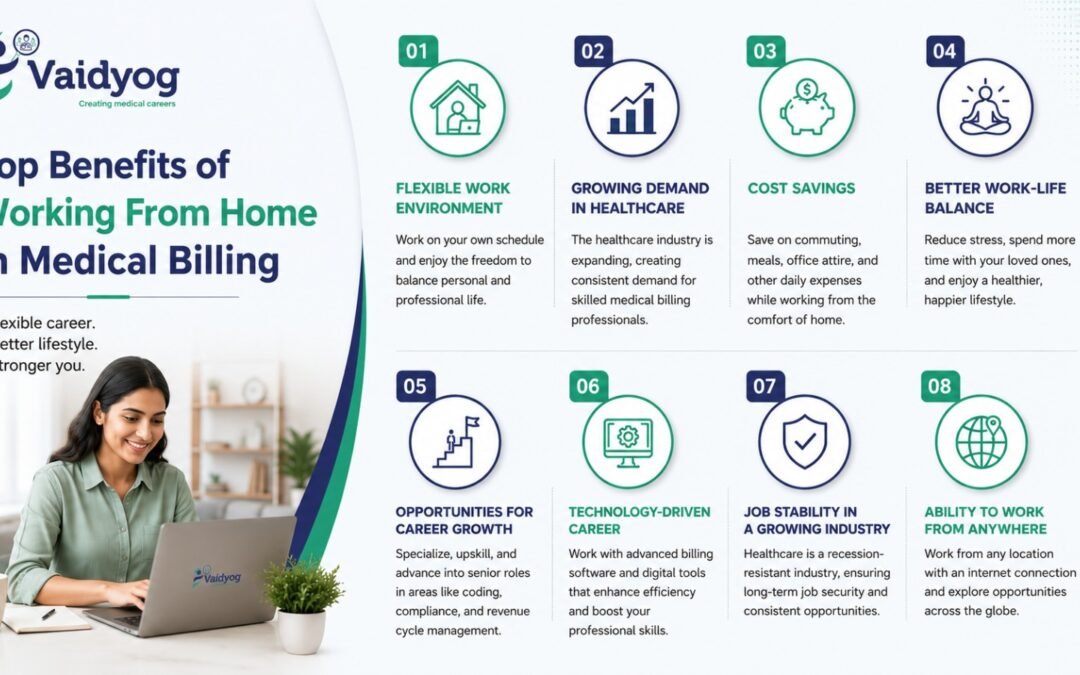
1. Flexible Work Environment
One of the biggest advantages of remote medical billing jobs is flexibility. Professionals can often manage their schedules more efficiently compared to traditional office roles. Working from home eliminates daily commuting stress and allows individuals to maintain a better work-life balance.
This flexibility is especially beneficial for:
- Parents managing family responsibilities
- Students pursuing healthcare careers
- Professionals seeking location-independent work
- Individuals looking for part-time or freelance opportunities
2. Growing Demand in the Healthcare Industry
The healthcare sector continues to expand, and accurate billing has become more important than ever. Hospitals, clinics, diagnostic centers, and insurance companies rely heavily on skilled medical billing professionals to ensure smooth claim processing and timely reimbursements.
As healthcare organizations adopt electronic health records (EHR) and digital billing systems, remote medical billing professionals are becoming essential to modern healthcare operations.
3. Cost Savings for Professionals
Working from home can significantly reduce everyday expenses. Remote medical billing professionals can save money on:
- Transportation and fuel
- Daily meals outside
- Office attire
- Relocation costs
These savings can improve overall financial stability while allowing professionals to work comfortably from their preferred location.
4. Better Work-Life Balance
Remote work enables medical billing professionals to create a healthier balance between personal and professional commitments. Without long commutes and rigid office schedules, individuals often experience reduced stress levels and improved productivity.
A balanced work environment can also contribute to:
- Better mental well-being
- Increased job satisfaction
- Improved focus and efficiency
- Greater overall productivity
5. Opportunities for Career Growth
Medical billing offers strong career advancement opportunities. Professionals can specialize in areas such as:
- Insurance claims management
- Revenue cycle management
- Coding and compliance
- Healthcare administration
With additional certifications and experience, remote medical billing professionals can move into senior positions, team leadership roles, or even start independent healthcare billing services.
6. Technology-Driven Career Opportunities
The rise of digital healthcare platforms, cloud-based billing systems, and AI-powered healthcare tools has transformed the medical billing industry. Remote professionals now have access to advanced technologies that improve workflow efficiency and reduce administrative burdens.
Learning modern billing software and healthcare technologies can help professionals stay competitive and increase their earning potential.
7. Job Stability in a Growing Industry
Healthcare remains one of the most stable industries globally. Regardless of economic changes, healthcare providers require accurate billing and reimbursement management. This creates consistent demand for trained medical billing professionals.
As telemedicine and digital healthcare services continue to grow, remote medical billing jobs are expected to remain an important part of the healthcare workforce for years to come.
8. Ability to Work from Anywhere
Remote medical billing careers provide professionals with the freedom to work from almost any location with a stable internet connection. This flexibility opens doors for individuals living in smaller cities or regions with limited local healthcare job opportunities.
It also allows companies to hire skilled professionals from a broader talent pool, benefiting both employers and employees.
Conclusion
Remote medical billing is becoming one of the most promising career opportunities in the healthcare industry. With flexibility, job stability, career growth, and increasing digital transformation, work-from-home medical billing jobs offer professionals an excellent pathway to build a successful and future-ready healthcare career.
At the same time, healthcare education and workforce development platforms like Vaidyog are helping aspiring healthcare professionals explore career opportunities, skill development programs, and industry-focused training to succeed in today’s evolving healthcare ecosystem.
FAQS
1. What is medical billing?
Medical billing is the process of managing healthcare claims, insurance documentation, patient billing, and reimbursement procedures for hospitals, clinics, and healthcare providers. Medical billing professionals help ensure healthcare organizations receive accurate and timely payments.
2. Can medical billing jobs be done from home?
Yes. Many healthcare organizations now offer remote medical billing jobs due to the increasing use of digital healthcare systems, cloud-based software, and electronic health records (EHR). Professionals can efficiently manage billing operations from home with a stable internet connection.
3. What skills are required for remote medical billing jobs?
Some essential skills include:
- Knowledge of medical billing processes
- Understanding of insurance claims and reimbursements
- Familiarity with medical terminology
- Attention to detail
- Communication skills
- Computer and billing software proficiency
- Time management and organizational abilities
4. Do I need certification to start a medical billing career?
While certification is not always mandatory, having professional training or certification can improve job opportunities and credibility. Many employers prefer candidates with healthcare billing or coding certifications and practical knowledge of revenue cycle management.