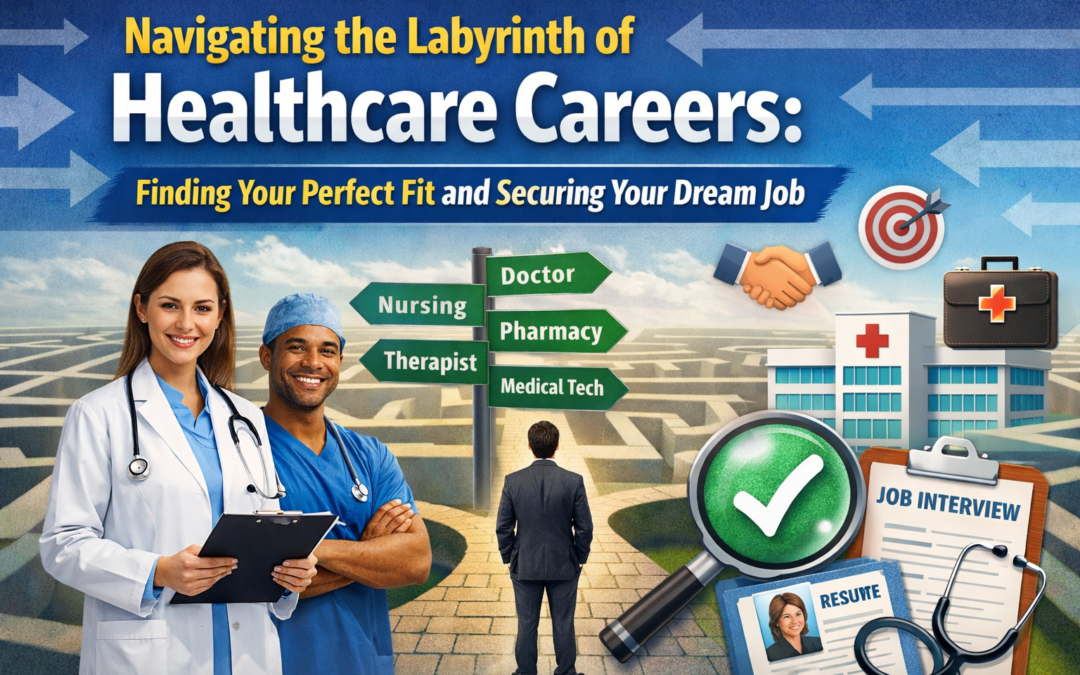
The healthcare sector is a colossal engine, driving innovation, providing essential care, and offering a vast array of career paths. But which path is the “best”? The answer, like the labyrinth itself, is complex and highly personal. The “best” career isn’t a single destination; it’s a unique confluence of your skills, passions, values, and lifestyle goals.
This blog aims to guide you through this labyrinth, offering insights into some of the most sought-after and rewarding healthcare professions, and providing a roadmap to finding and securing your ideal role. We’ll also highlight how Vaidyog, a dedicated platform for healthcare jobs, can be your unwavering ally in this journey.
Deconstructing the “Best” Healthcare Career
There’s no objective “best” career, but some professions consistently rank high due to factors like job stability, earning potential, and work-life balance. Let’s explore a few:
1. Nursing: The Heart and Soul of Healthcare
Why it’s considered one of the best:
-
Unwavering Demand: The nursing shortage is global and persistent. From hospitals and clinics to schools and home care, nurses are always in high demand.
-
Diverse Specializations: Nurses can specialize in everything from pediatrics and critical care to informatics and administration, offering a dynamic and evolving career path.
-
Competitive Salary: Nursing offers excellent earning potential, especially with advanced degrees and specializations.
-
Rewarding and Meaningful Work: Nurses directly impact patient lives, providing comfort, care, and education, leading to a high sense of fulfillment.
-
Versatility: Nurses can find work in a variety of settings, from bustling urban hospitals to remote rural clinics.
How to get a job:
-
Education: Earn your Associate Degree in Nursing (ADN) or Bachelor of Science in Nursing (BSN).
-
Licensure: Pass the NCLEX-RN exam.
-
Gain Experience: Start with entry-level positions and consider internships or residency programs.
-
Specialize: Pursue certifications or advanced degrees (MSN, DNP) for higher-level roles.
2. Allied Health Professions: The Engine That Drives Healthcare
Why they’re considered some of the best:
-
Critical Role: This group includes physical therapists, occupational therapists, radiologic technologists, and speech-language pathologists, who are all essential to patient care.
-
Growing Demand: The aging population and advancements in medical technology are driving significant demand for these roles.
-
Specialized Skills: Allied health professions require unique skills, offering a sense of expertise and mastery.
-
Variety: There’s a wide range of allied health professions, each with its own unique set of skills and responsibilities.
How to get a job:
-
Education: Obtain a degree or certification in your chosen field (e.g., Doctor of Physical Therapy, Master’s in Speech-Language Pathology).
-
Licensure: Requirements vary by state and profession, so research the specifics for your area.
-
Clinical Experience: Most programs require significant clinical rotations to gain hands-on experience.
-
Specialize: Consider further certifications or training in niche areas.
3. Healthcare Administration: Leading the Way
Why it’s considered one of the best:
-
High Earning Potential: Healthcare administrators command high salaries, especially in senior management roles.
-
Leadership Opportunities: This path allows you to lead and influence the healthcare system from a management perspective.
-
Focus on Efficiency and Innovation: Administrators are key in driving efficiency, improving patient outcomes, and implementing new technologies.
-
Work-Life Balance (potentially): While hours can be demanding, administrative roles often offer more standard working hours compared to direct patient care.
How to get a job:
-
Education: While a bachelor’s degree in business or health administration is common, a Master of Health Administration (MHA) or MBA with a healthcare concentration is often preferred.
-
Gain Experience: Start in entry-level administrative or management roles within healthcare organizations.
-
Network: Attend industry events and connect with professionals in the field.
-
Stay Updated: Keep up with the latest healthcare regulations, policies, and technological advancements.
4. Specialized Careers: Niche Roles, High Impact
Why they’re considered some of the best:
-
Unique Skills and Expertise: Roles like genetic counselors, medical physicists, and medical dosimetrists require specialized knowledge and skills, making them highly valued.
-
Innovation and Cutting-Edge Work: These professionals are often involved in research and development, contributing to advancements in medical technology and patient care.
-
Growing Demand: Advancements in genomics, radiation therapy, and other areas are creating a growing need for these specialists.
How to get a job:
-
Education: Typically requires a minimum of a master’s degree or Ph.D. in a specific scientific or technical field.
-
Certification: Many of these roles require specific certifications (e.g., American Board of Genetic Counseling, American Board of Radiology).
-
Research and Clinical Experience: Gain experience through research projects and clinical rotations.
Your Compass in the Labyrinth: Finding the “Best” for YOU
Now that you have a taste of the diverse healthcare careers, how do you find the one that’s “best” for you?
-
Assess Your Strengths and Weaknesses: What are you naturally good at? Do you excel at communication, analytical thinking, hands-on tasks, or leadership?
-
Reflect on Your Passions: What subjects or activities genuinely excite you? Do you have a passion for technology, science, direct patient interaction, or administrative work?
-
Consider Your Lifestyle Goals: Do you thrive in a high-pressure environment? Do you prioritize a standard workweek? What is your desired earning potential?
-
Research the Professions: Use resources like the Bureau of Labor Statistics, professional organizations, and career websites to learn about job descriptions, education requirements, and future outlook.
-
Gain Experience: Consider volunteering, shadowing healthcare professionals, or taking entry-level roles to get a real-world perspective.
Securing Your Dream Job: A Practical Roadmap
Once you’ve identified your ideal healthcare career, the next step is to secure that first job. Here’s a practical roadmap:
1. Create a Stellar Resume:
-
Highlight Your Skills: Clearly articulate your skills and qualifications, tailoring them to the specific job you’re applying for.
-
Quantify Your Achievements: Use numbers and metrics to demonstrate your accomplishments in previous roles.
-
Use Keywords: Incorporate relevant keywords from the job description to help your resume stand out to Applicant Tracking Systems (ATS).
2. Network Like a Pro:
-
Attend Industry Events: Connect with professionals at conferences, workshops, and career fairs.
-
Utilize Online Platforms: Engage on professional networking sites like LinkedIn and healthcare-specific platforms like Vaidyog.
-
Informational Interviews: Reach out to professionals in your desired field to learn about their experiences and ask for advice.
3. Master the Interview:
-
Research the Company: Learn about the organization’s mission, values, and current initiatives.
-
Prepare to Answer Common Interview Questions: Practice answering questions about your experience, skills, and why you’re a good fit for the role.
-
Prepare Your Own Questions: Demonstrate your interest and preparedness by asking thoughtful questions about the company and the role.
4. Utilize Dedicated Job Platforms:
General job boards can be overwhelming, but platforms like Vaidyog are specifically designed to cater to the unique needs of the healthcare sector. Vaidyog offers:
-
Targeted Job Listings: Find a wide range of healthcare jobs, from nursing and allied health to administration and research, all in one place.
-
Company Profiles: Gain insights into healthcare organizations, their culture, and their values.
-
Career Resources: Access valuable articles, career tips, and resources tailored to the healthcare industry.
-
Candidate Matching: Get matched with roles that align with your skills and experience.
Think of Vaidyog as your specialized guide in the healthcare job market, connecting you with the opportunities that are most relevant to your career goals.
Conclusion: Embracing the Journey
Finding the “best” career in healthcare is not a simple equation; it’s a deeply personal journey of self-discovery and exploration. By understanding your own strengths, passions, and goals, and by utilizing resources like professional organizations and dedicated platforms like Vaidyog, you can successfully navigate the labyrinth and secure a fulfilling and rewarding career.
So, embark on this journey with curiosity and determination. The healthcare labyrinth is vast, but with the right guidance and effort, you will find your way to a career that is truly the “best” for you.
Frequently Asked Questions (FAQ)
1. What are the most in-demand healthcare jobs?
Nursing (Registered Nurses, Nurse Practitioners), physical therapy, occupational therapy, healthcare administration, and specialized roles like genetic counselors are among the most in-demand.
2. Is a degree always necessary for a career in healthcare?
While many roles require degrees, there are certifications and vocational training options for positions like medical assistants, phlebotomists, and surgical technologists.
3. How can I gain experience in healthcare before committing to a specific career?
Volunteer at hospitals, clinics, or nursing homes. Consider shadowing healthcare professionals in different fields. Entry-level roles like medical scribes or patient transporters can also provide valuable insights.
4. What is the average salary in healthcare?
Salaries in healthcare vary widely depending on the role, experience, education, and location. For accurate and up-to-date salary information, consult resources like the Bureau of Labor Statistics.
5. Is work-life balance possible in healthcare?
While some healthcare roles involve long hours and shifts, others, particularly administrative or outpatient clinic roles, can offer better work-life balance. It’s important to research specific roles and work environments.
6. How can I stand out to healthcare recruiters?
Highlight relevant experience, certifications, and skills on your resume. Network effectively, showcase your passion for healthcare, and be prepared to articulate why you’re a good fit for the role and the organization.
7. Why should I use Vaidyog for my healthcare job search?
Vaidyog is a dedicated platform designed specifically for healthcare jobs, providing targeted listings, company insights, career resources, and candidate matching. This specialized focus can save you time and connect you with more relevant opportunities compared to general job boards

Vaidyog is India’s leading healthcare career and recruitment platform, built exclusively for medical and allied healthcare professionals. We connect doctors, nurses, paramedics, pharmacists, and healthcare institutions through verified job opportunities, career guidance, and industry-relevant insights.
Designed to bridge the gap between talent and opportunity, Vaidyog empowers healthcare professionals to discover the right roles faster while helping hospitals, clinics, and healthcare organizations hire trusted, qualified professionals with ease.
With a focus on innovation, transparency, and growth, Vaidyog is redefining how healthcare careers are built in India—making hiring smarter and career journeys stronger.