The healthcare industry is one of the fastest-evolving sectors in the world. Advancements in medical technology, treatment methodologies, healthcare regulations, and patient care practices continue to reshape the industry. For healthcare professionals, continuous learning is no longer optional—it is essential for staying relevant, improving patient outcomes, and accessing better healthcare jobs opportunities.
Keeping Up with Medical Advancements
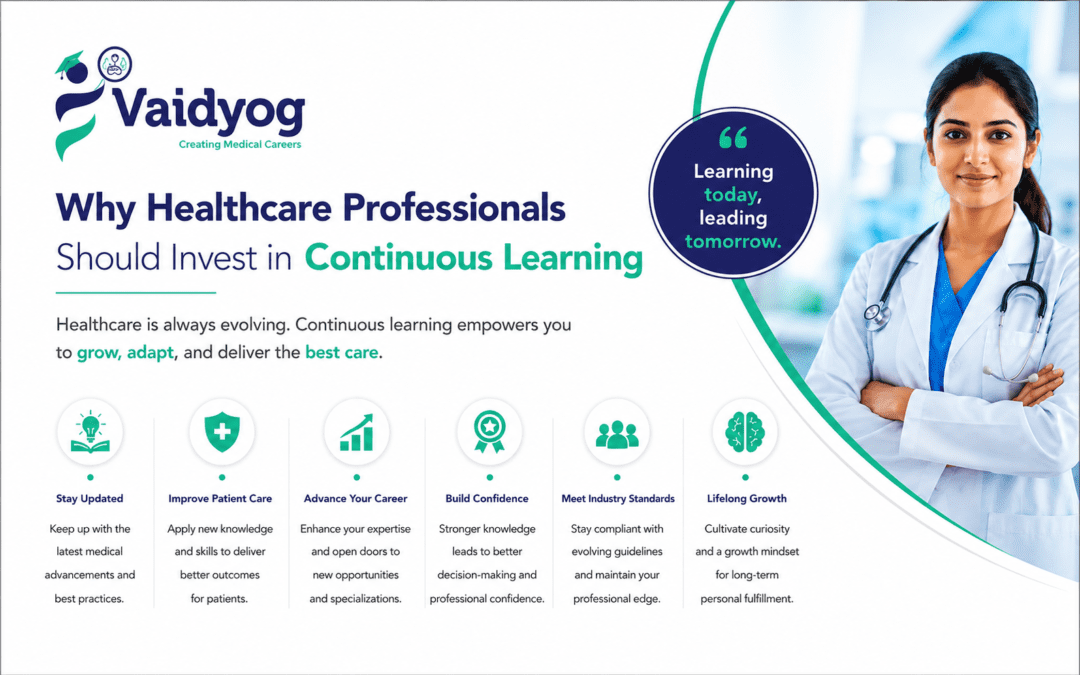
Medical science is constantly progressing. Innovations such as artificial intelligence (AI)-powered diagnostics, robotic surgeries, telemedicine, and personalized treatment plans are transforming healthcare delivery. Healthcare professionals who actively engage in continuous learning can stay updated with the latest developments and apply evidence-based practices in their daily work.
Whether you are a doctor, nurse, pharmacist, technician, or allied healthcare professional, staying informed about emerging trends enhances your ability to deliver high-quality care and remain competitive in the healthcare jobs market.
Enhancing Patient Outcomes
Knowledge and expertise directly impact patient care. Healthcare professionals who regularly update their skills are better equipped to diagnose conditions accurately, make informed clinical decisions, and implement effective treatment plans.
Continuous education helps reduce medical errors, improve safety standards, and contribute to better patient outcomes. As healthcare organizations increasingly prioritize quality care, professionals with updated knowledge are highly valued in healthcare jobs across hospitals, clinics, diagnostic centers, and healthcare organizations.
Expanding Career Opportunities in Healthcare Jobs
The demand for skilled healthcare professionals continues to grow globally. Employers actively seek candidates who demonstrate a commitment to professional development through certifications, specialized training, and advanced qualifications.
Continuous learning can open doors to:
- Leadership and management positions
- Specialized clinical roles
- Advanced healthcare certifications
- Higher earning potential
- Better healthcare jobs in reputed healthcare organizations
Professionals who invest in learning often gain a competitive advantage when applying for new healthcare jobs and career advancement opportunities.
Building Confidence and Professional Credibility
Healthcare professionals who stay current with industry knowledge tend to have greater confidence in their abilities. Ongoing education strengthens clinical expertise, improves decision-making skills, and enhances professional credibility among peers, employers, and patients.
Confidence and competence play a significant role in securing healthcare jobs, advancing careers, and building a strong professional reputation within the healthcare industry.
Adapting to Healthcare Technology
Digital transformation is reshaping modern healthcare. Electronic Health Records (EHRs), telemedicine platforms, AI-powered tools, remote patient monitoring systems, and advanced medical equipment have become integral components of healthcare delivery.
Professionals who continuously learn and adapt to these technologies can improve efficiency, enhance patient experiences, and remain valuable contributors to healthcare organizations. Technology proficiency is increasingly becoming a key requirement for many healthcare jobs.
Supporting Lifelong Professional Growth
Continuous learning is about more than career advancement. It promotes adaptability, curiosity, critical thinking, and a commitment to excellence. Healthcare professionals who embrace lifelong learning are better prepared to navigate industry changes and contribute meaningfully to patient care and organizational success.
By investing in ongoing education, professionals can future-proof their careers and maintain long-term success in a rapidly changing healthcare environment.
The Growing Importance of Healthcare Jobs
As healthcare systems expand and patient needs increase, the demand for qualified professionals continues to rise. From doctors and nurses to pharmacists, radiographers, laboratory technicians, healthcare administrators, and allied healthcare professionals, healthcare jobs offer diverse opportunities for career growth and specialization.
Professionals who continuously upgrade their skills are more likely to access rewarding healthcare jobs and contribute effectively to the evolving needs of the healthcare sector.
Conclusion
In an industry where knowledge can directly impact lives, continuous learning is a necessity. Healthcare professionals who invest in ongoing education position themselves for long-term success while delivering better care to patients.
At Vaidyog, we understand the importance of professional growth and career advancement in healthcare. As a dedicated healthcare job portal, Vaidyog connects talented healthcare professionals with the right healthcare jobs across India. Whether you are looking for your next career opportunity or seeking skilled healthcare talent, Vaidyog helps bridge the gap between professionals and employers while supporting the future of healthcare.